Spent seven years in cybersecurity helping build Lumu Technologies before founding Sentrike, where he builds AI agents that find and take down phishing sites and brand impersonators.
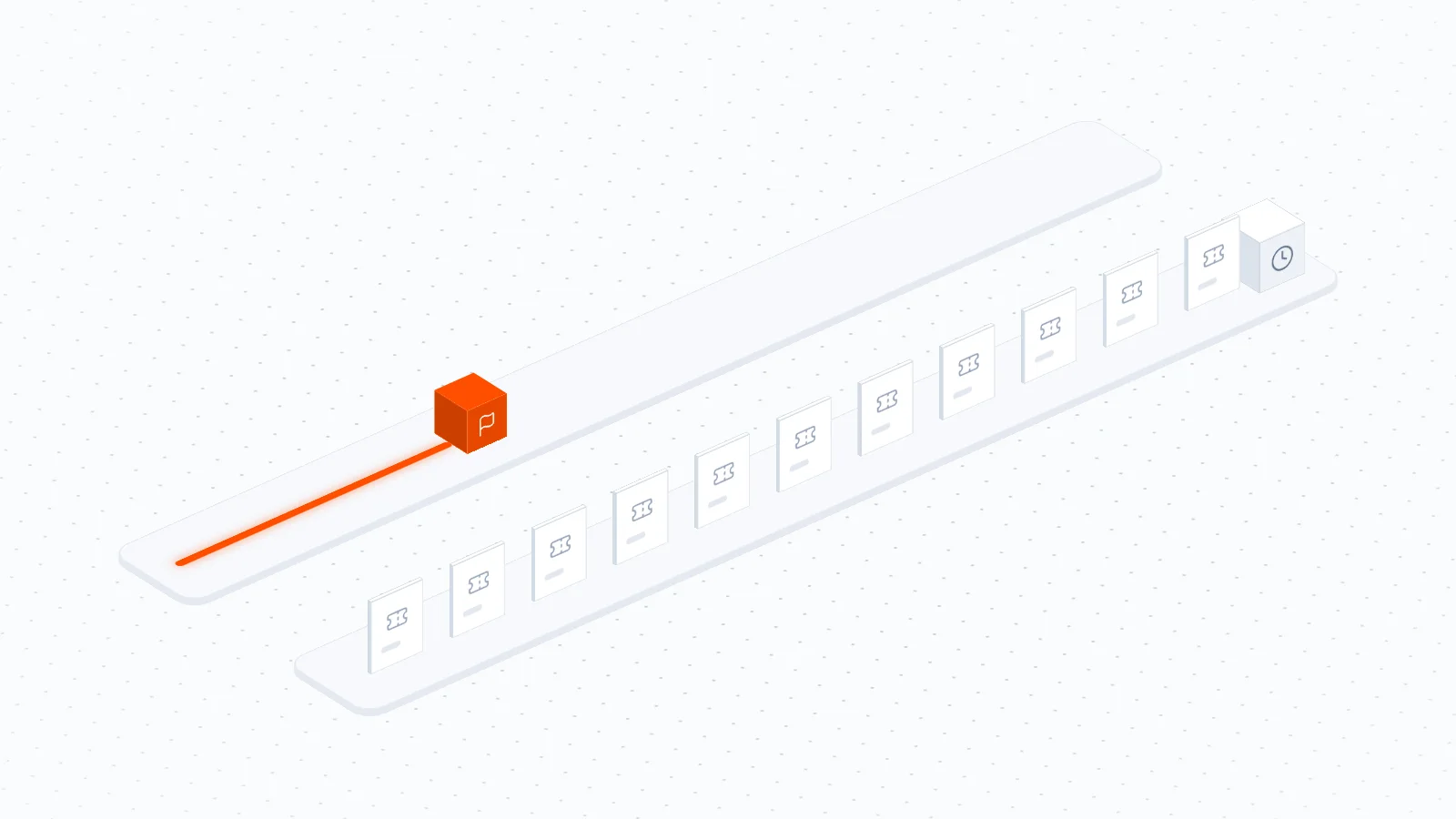
How a phishing campaign goes from a new domain to victims' inboxes in about an hour, why most of the damage is done within days, and how that compares with a ticket-based response.
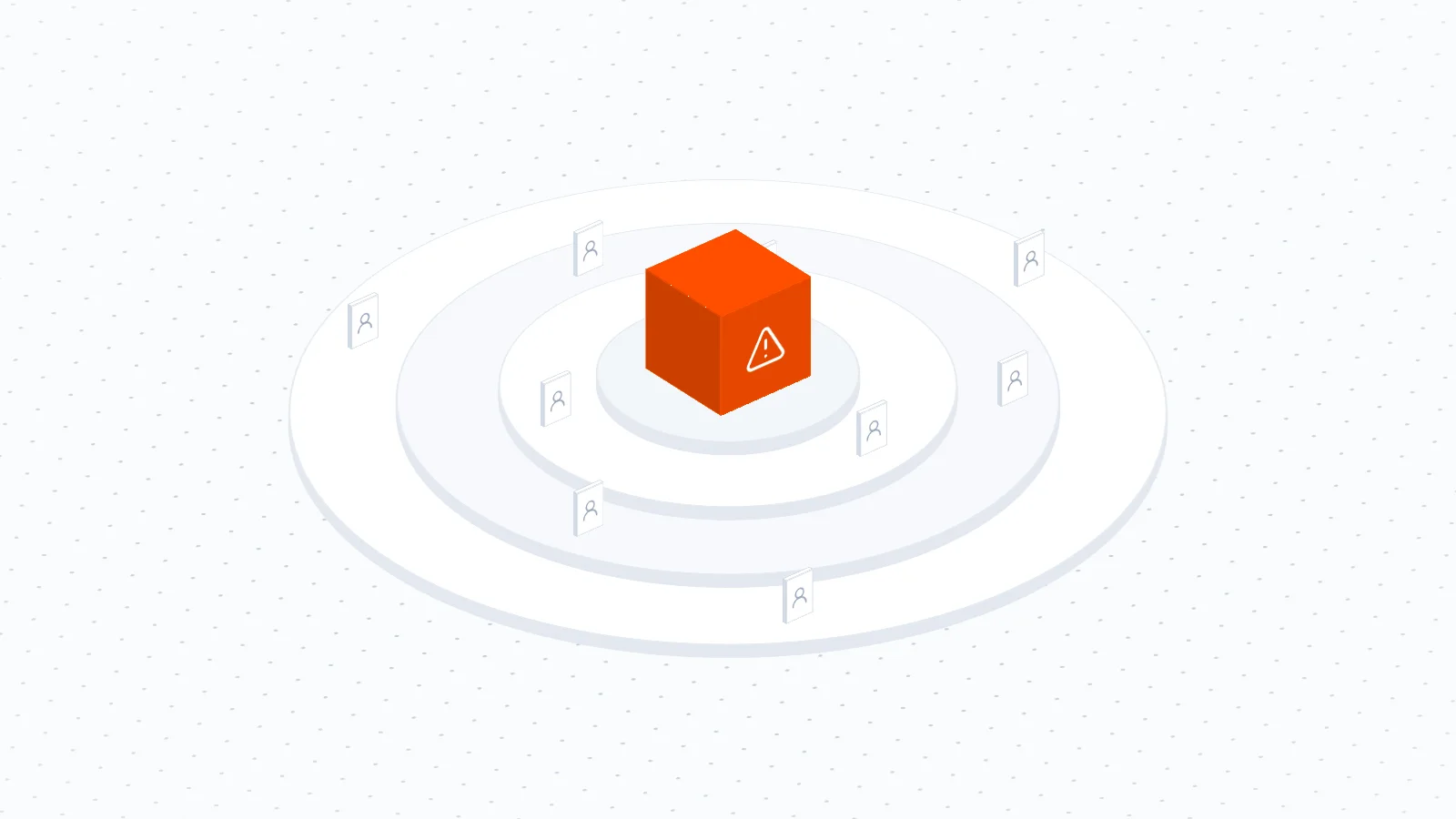
Which layer stops a phishing site for whom, how fast and for how long: browser blocklists, protective DNS, sinkholes, host and registrar takedowns compared.
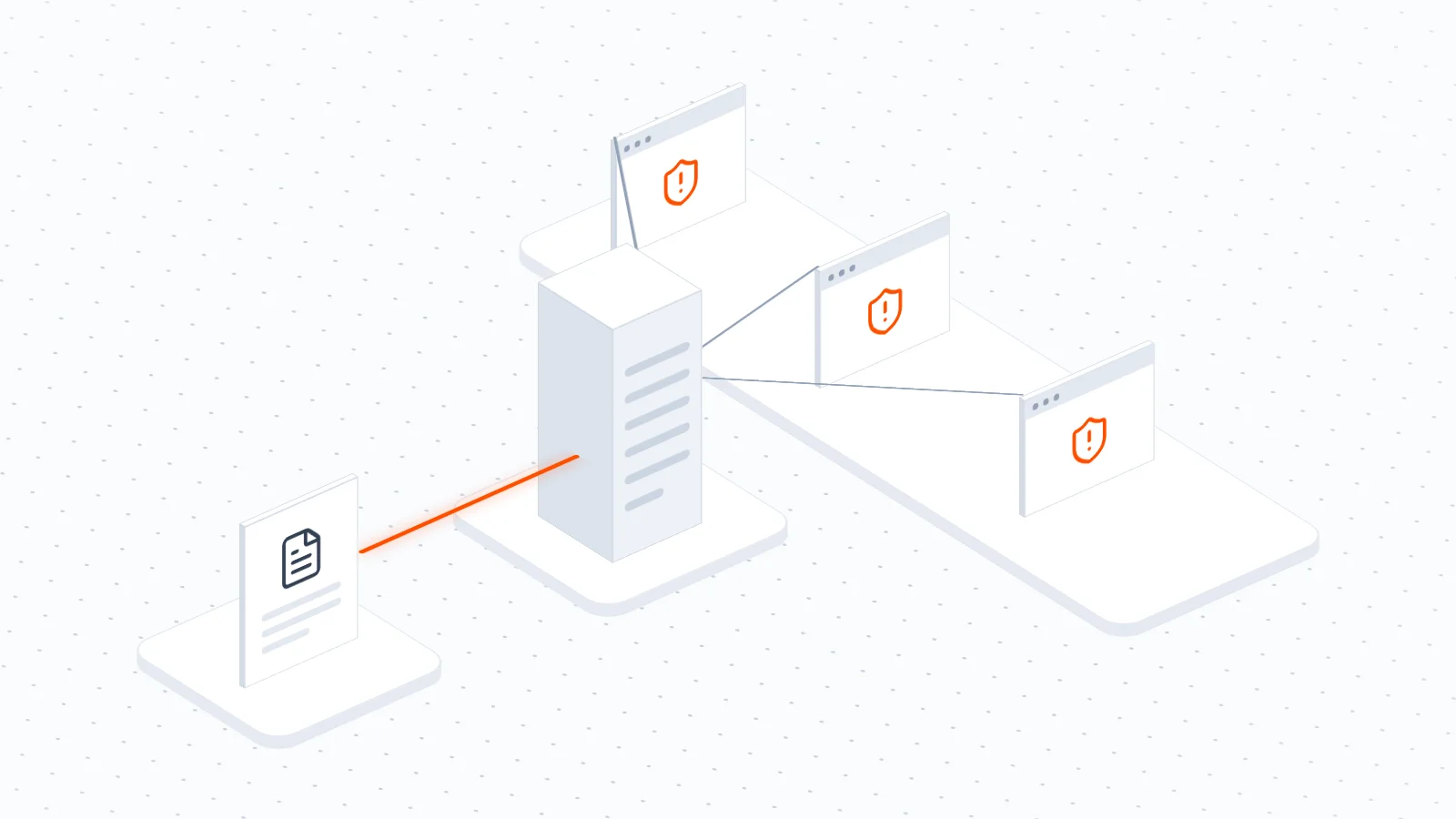
What happens between reporting a phishing site and Chrome, Safari or Firefox showing a red warning, which browsers use which list, and what speeds it up.
Nov 4, 2026 · 5 min read
There's a report making the rounds arguing that digital risk protection has been measuring the wrong thing. That counting takedowns misses the point, because attackers don't run one-off fakes — they run campaigns. I agree with almost all of it. Here's the part it leaves out.
For years this category graded itself on two numbers: how many malicious artifacts you removed, and how fast you removed them. Both feel like progress. Neither tells you whether your customers are actually safer.
The diagnosis going around is correct. Teams aren't falling behind because they work too slowly. They're falling behind because the unit of work is wrong.
Attackers don't ship artifacts. They run campaigns. A single operation spins up a lookalike domain, a cloned login page, a handful of social profiles, a few paid ads, and the hosting and redirect infrastructure that ties it all together — built and launched together, often in minutes.
So when a program finds one phishing page, removes it, and logs the win, the campaign barely notices. The infrastructure is still live. The other assets are still harvesting credentials. The operator spins up a replacement before the ticket closes. Generative AI dropped the cost of all of this to pennies — it's why malicious phishing messages rose 4,151% after ChatGPT launched (SlashNext), and why about half of browser-based phishing now impersonates a known brand (Menlo Security).
If your scoreboard is "artifacts removed," you're measuring motion, not protection.
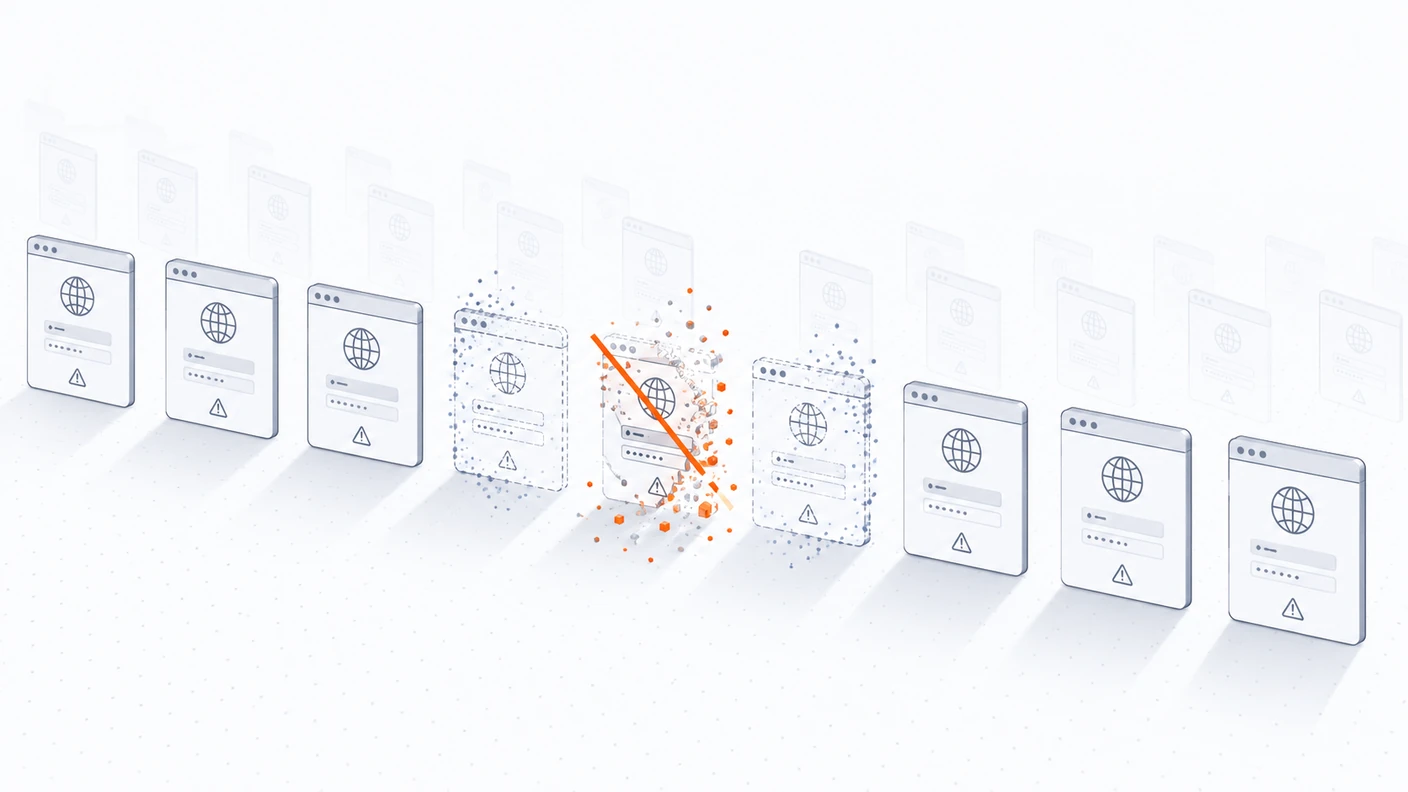
Strike one clone and two more take its place. Removing artifacts one at a time is motion, not protection.
Here's where I part ways with the current conversation. Knowing the campaign is the unit of work changes nothing until something acts on it.
The usual answer is more process. A new operating model. A maturity framework. A 90-day buyer plan. Another dashboard that correlates alerts into a tidier picture for a human analyst to work through. All of that is a better map of the battlefield. None of it removes a single threat.
And a correlated queue is still a queue. It's still people versus software, paid for in human hours — which is exactly the math that was losing in the first place.
A better map of the battlefield is not the same as winning it.
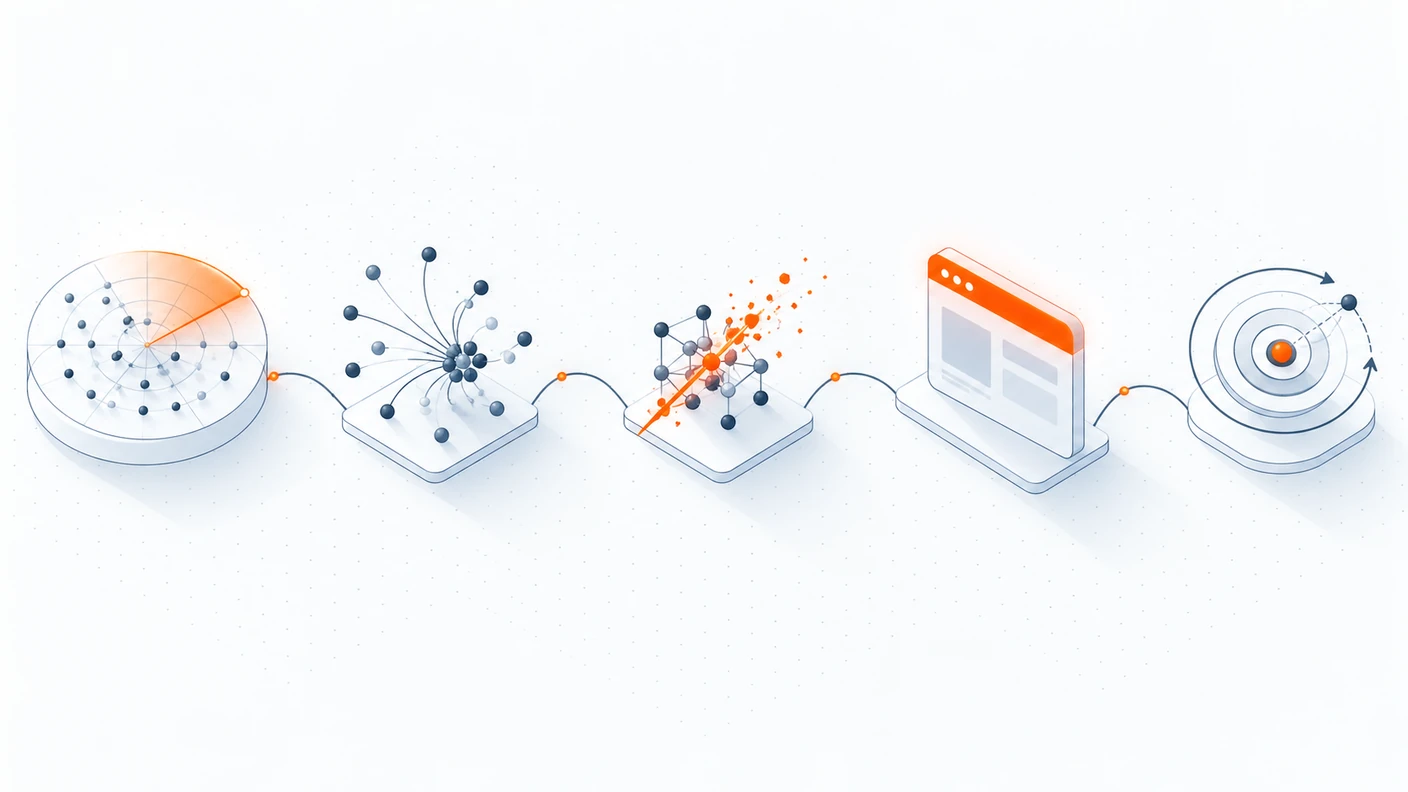
This is the work we built Sentrike to do — autonomously, end to end, on the whole campaign instead of the one asset you happened to find. Our agents don't file an alert for someone else to chase. They run the job:
Detect: Scan the web, domains, social platforms, and app stores 24/7 — so threats surface the moment they go live, not when a customer reports one.
Connect: Pull the related domains, clones, and infrastructure into the single operation they actually are, instead of treating each as its own isolated case.
Remove: File and enforce takedowns at the hosting, registrar, and platform level — across every asset in the campaign, not just the first URL.
Protect now: Trigger browser-level warnings within minutes in Chrome, Safari and Firefox, about 88% of browsers in use, so your customers are safe long before full removal lands.
Monitor: Watch until the threat is actually gone, keep the evidence, and catch the same operation when it tries to come back under a new domain.
Detect, connect, remove, protect, monitor — one continuous autonomous flow, no human in the queue.
No tickets. No abuse-desk emails sent into a void. No waiting on a SOC that was never staffed for this. The campaign is the unit of work, so the campaign is what gets removed.
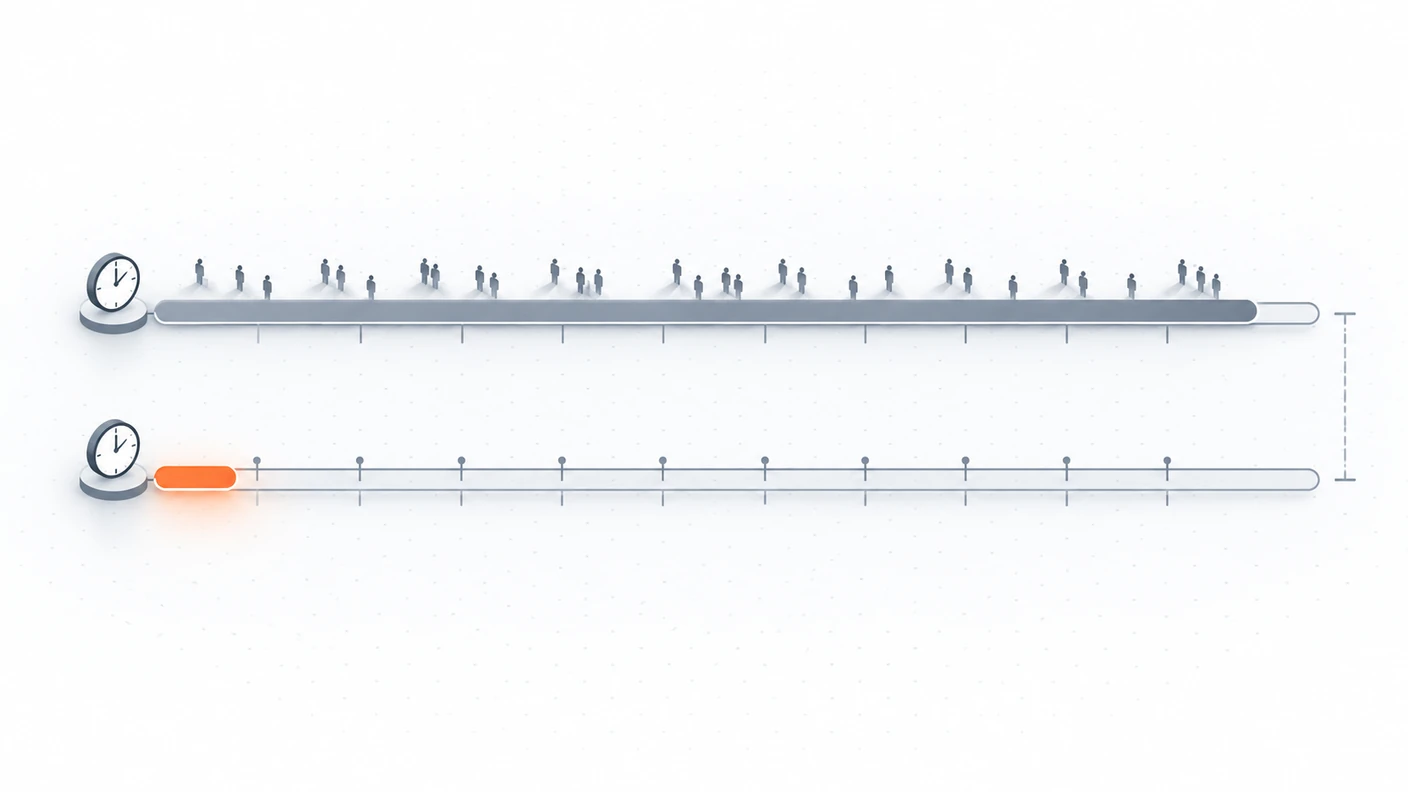
Stop counting artifacts removed. Track two honest numbers instead: how long your customer was exposed, and whether the whole campaign is gone or just the piece you saw.
And let's be clear about speed, because the fashionable take is that it was never the metric. For the person about to type their password into a pixel-perfect copy of your login page, speed is the only metric. Every hour that site stays live, more of your customers get taken. Protection measured in minutes isn't vanity — it's the difference between a near miss and a breach.
You don't need our product to get value from this. Run these five questions against whatever you use today — including us:
When you take one asset down, does the rest of the campaign go with it — or do you find the clones again next week?
How long is your customer exposed between detection and protection: days, or minutes?
Does "resolved" mean a report was filed, or that the threat is offline and you can prove it?
How much of this happens without a human opening a ticket?
When the same operation resurfaces under a new domain, do you catch it — or start from zero?
If the honest answers are "no, days, a filed report, not much, and we start over," the problem was never your team's effort. It's that the work is still being done by hand.
The industry spent a decade perfecting detection and dashboards. The attackers spent it automating. Another framework won't close that gap.
The campaign is the unit of work. So remove the campaign.
We're opening up Sentrike to design partners now — security leaders who are done grading themselves on the wrong metric and want threats gone, not cataloged. Request access at sentrike.ai.