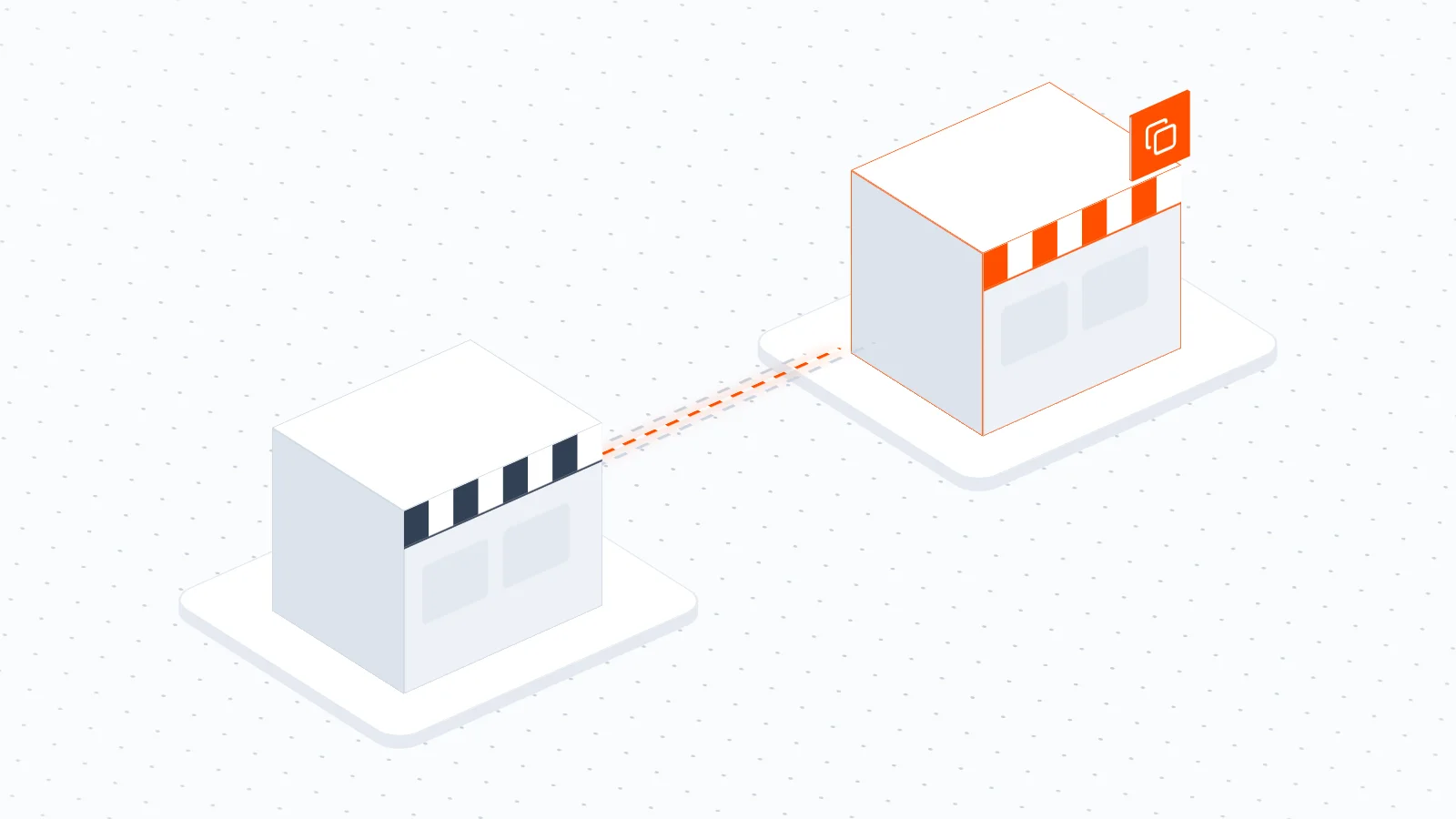
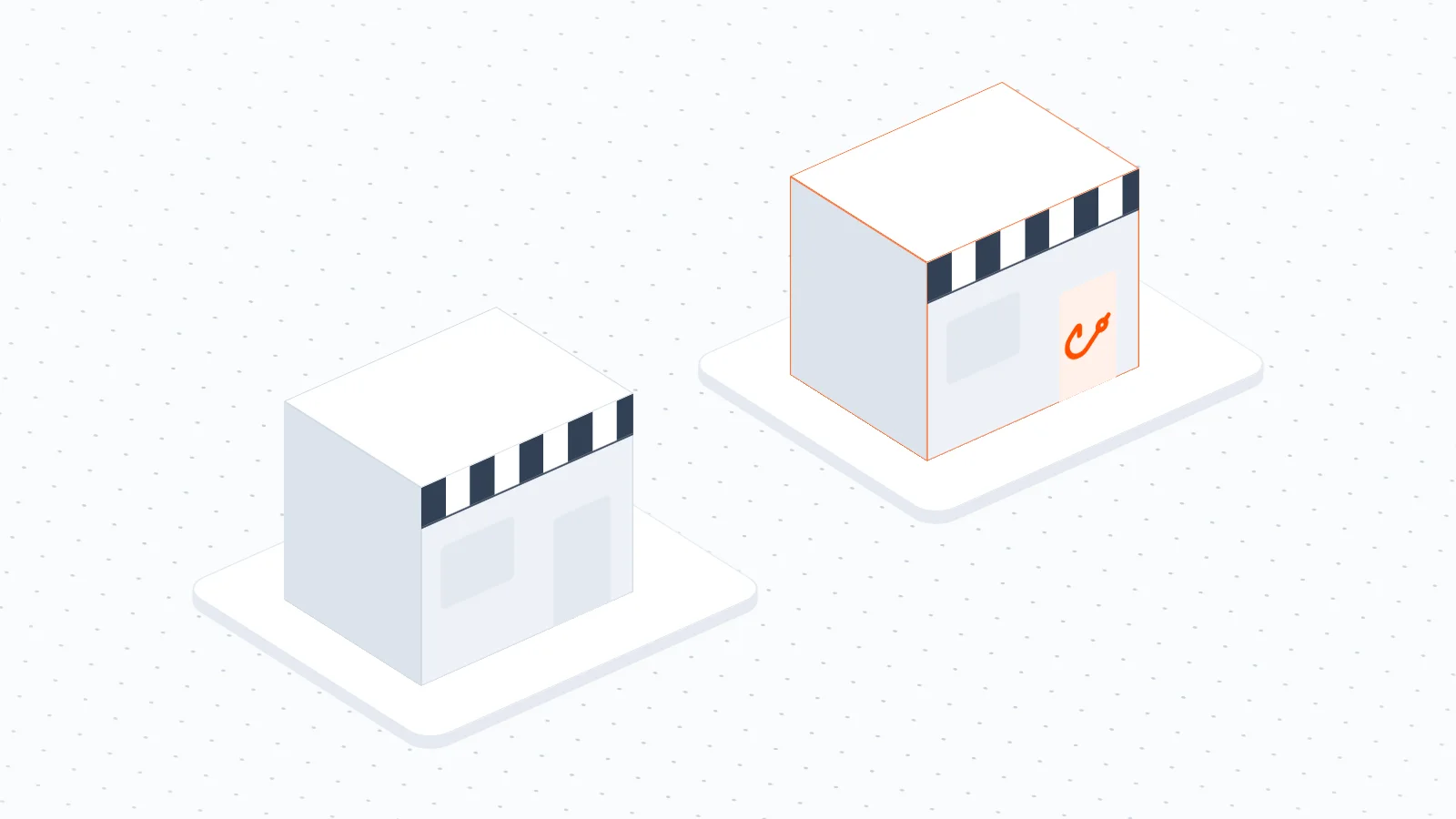
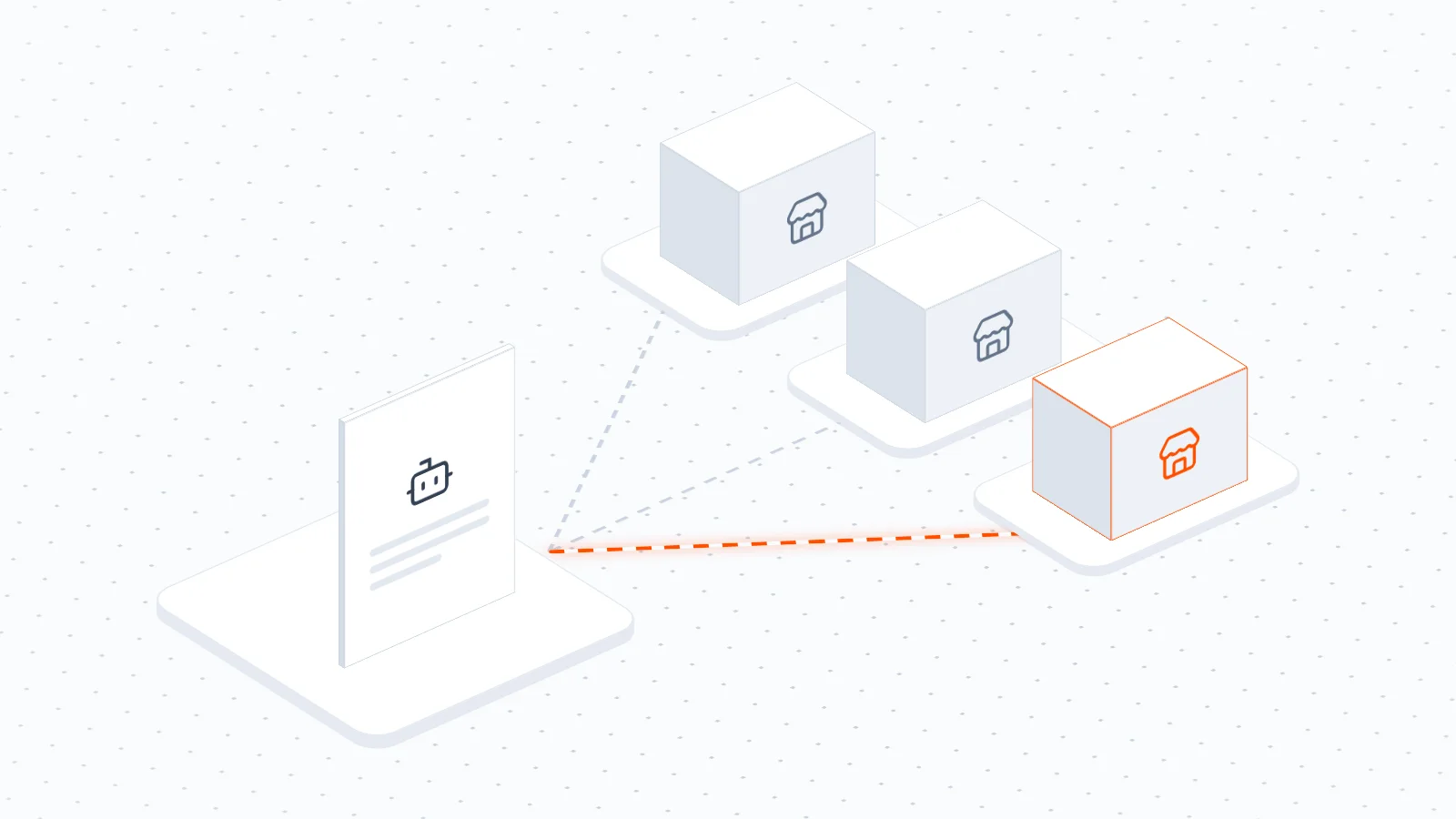
A .shop clone depends on four companies: its registrar, the host behind any CDN, the store platform it runs on and the payment provider it uses. Report it to Google Safe Browsing first so browsers warn visitors, then send the same evidence to all four at once. If the registrar doesn't act, the .shop registry and ICANN's compliance team are the next steps.
Key terms · 4
Cloned store
A copy of a real online store, usually with the same products, photos and text, built to take payments or card details it never honors.
Registry
The company that runs a domain extension such as .shop and sets its rules. Registrars sell names under it.
Live mirror
A clone that fetches the real store's pages in real time and passes them on, so it changes whenever the real store does.
Domain rotation
Running one fake store behind many domains, so that blocking or removing one address doesn't take the store offline.
New domain extensions are cheap and easy to register, and a name like yourbrand.shop looks plausible for a store. Researchers have found new extensions such as .shop, .top and .xyz hold a far larger share of phishing and cybercrime domains than of registrations overall. It says nothing about legitimate .shop sites, which are the majority.
Shopify says the clone isn't on Shopify. Who do I report it to?
Find the real host from the site's DNS and IP address. Clones often sit behind Cloudflare, which forwards abuse reports to the host. Report to the registrar too, because suspending the domain takes the store down wherever it's hosted.
Should I buy the .shop version of my brand name?
If your brand sells online and the name is still available, it's cheap insurance. It won't stop yourbrand-sale.shop or yourbrandoutlet.shop, so monitoring still matters.
Can I get the domain transferred to me?
Yes, through a UDRP or URS complaint, but those take weeks to months and cost money. Use abuse reports to get the live clone offline first, and file for the domain afterwards if you want it.
Spent seven years in cybersecurity helping build Lumu Technologies before founding Sentrike, where he builds AI agents that find and take down phishing sites and brand impersonators.
Someone copied your website or online store? What to do in the first hour, day and week: browser warnings, takedown, cutting off payments, warning customers and reviews.
Researchers found AI assistants pointing shoppers to fake stores during Black Friday 2026. What happened, why it happens, and what brands can do so assistants send people to the real store.
Scammers send fake delivery and redelivery-fee texts in your company's name. A playbook for retailers and couriers: what to set up before December, and what to do when a wave starts.
Nov 30, 2026 · 3 min read
You search your own brand and find it: yourbrand.shop, with your logo, your product photos, your descriptions and prices 60% lower. Customers have already ordered. Store owners describe the same thing again and again: a copy on a .shop domain, emails to the host and registrar that go unanswered, and a platform that says it can't help because the clone isn't hosted there (Shopify Community).
It can be taken down. The trick is knowing which companies actually control it and sending them the same evidence at the same time. This guide is specific to clones on .shop and similar store-style domains; the first-24-hours guide covers customers, payments and reviews.
New domain extensions attract fraud because they're cheap and lightly checked. Interisle found new generic extensions accounted for about 11% of new registrations but roughly 37% of cybercrime domains between September 2023 and August 2024, with .shop, .top and .xyz among the most used (KrebsOnSecurity).
Fake-store kits now build these at scale. One platform CloudSEK tracked before Black Friday 2026 produced 4,660 domains in under six weeks, including .shop names, with one shop front cycling through 75 addresses to dodge blocklists (Geekspin, reporting CloudSEK). So expect the clone you take down to come back under a new name.
Send one report, with the same evidence, to every company in the table. Lead with what matters: "This store at [URL] copies [brand]'s official store at [URL] and takes payments for orders it never ships." Attach the screenshots and a side-by-side of the real and fake pages.
Registrars accredited by ICANN must publish an abuse contact that doesn't need a login, confirm they received your report, and, once they have actionable evidence of phishing, promptly take action to stop it (ICANN). A clear screenshot showing what the page imitates, plus the full address, is the kind of evidence ICANN describes.
Store owners often report going silent after the first email (Shopify Community). Escalate in this order:
Report again with your first report's reference and any new evidence, such as a customer who paid.
Report to the .shop registry, which can act on domains used for abuse under its own policy.
File a complaint with ICANN Contractual Compliance if an accredited registrar ignores a well-evidenced report. ICANN can require the registrar to explain what it did (ICANN).
Send a copyright (DMCA) notice to the host for your copied photos and text, which removes content even when a phishing report stalls. See UDRP vs. DMCA vs. abuse reports.
Some owners notice the copy changes the moment they edit their own theme (Shopify Community). That's a live mirror: a server fetching your pages and passing them on, often with its own checkout. It's still on a domain and a host, so the same reports work. Your developer can also block the mirror's server from fetching your pages, but it will likely move, so do both.
Sentrike Brand Protection watches new domains, certificates and pages for copies of your store, so you usually see a clone before customers do. Sentrike Takedown reports it to Google Safe Browsing within minutes, sends the evidence to the registrar, host and platform, and follows up until it's offline, including on the next domain it moves to. See Takedown.