Alert fatigue vs. autonomous takedowns

Alert fatigue vs. autonomous takedowns · 4 min read

Brand Protection Buyer's Guide: 9 Questions to Ask

Founder & CEO, Sentrike ·

The short answer

Ask for evidence, not adjectives. Find out who files the takedowns and how many are included each month, the median and worst-case time from detection to removal, what counts as resolved, and how much happens without your team. Then test it with a pilot on your own brand. A vendor that can't show these numbers is selling alerts, not removal.

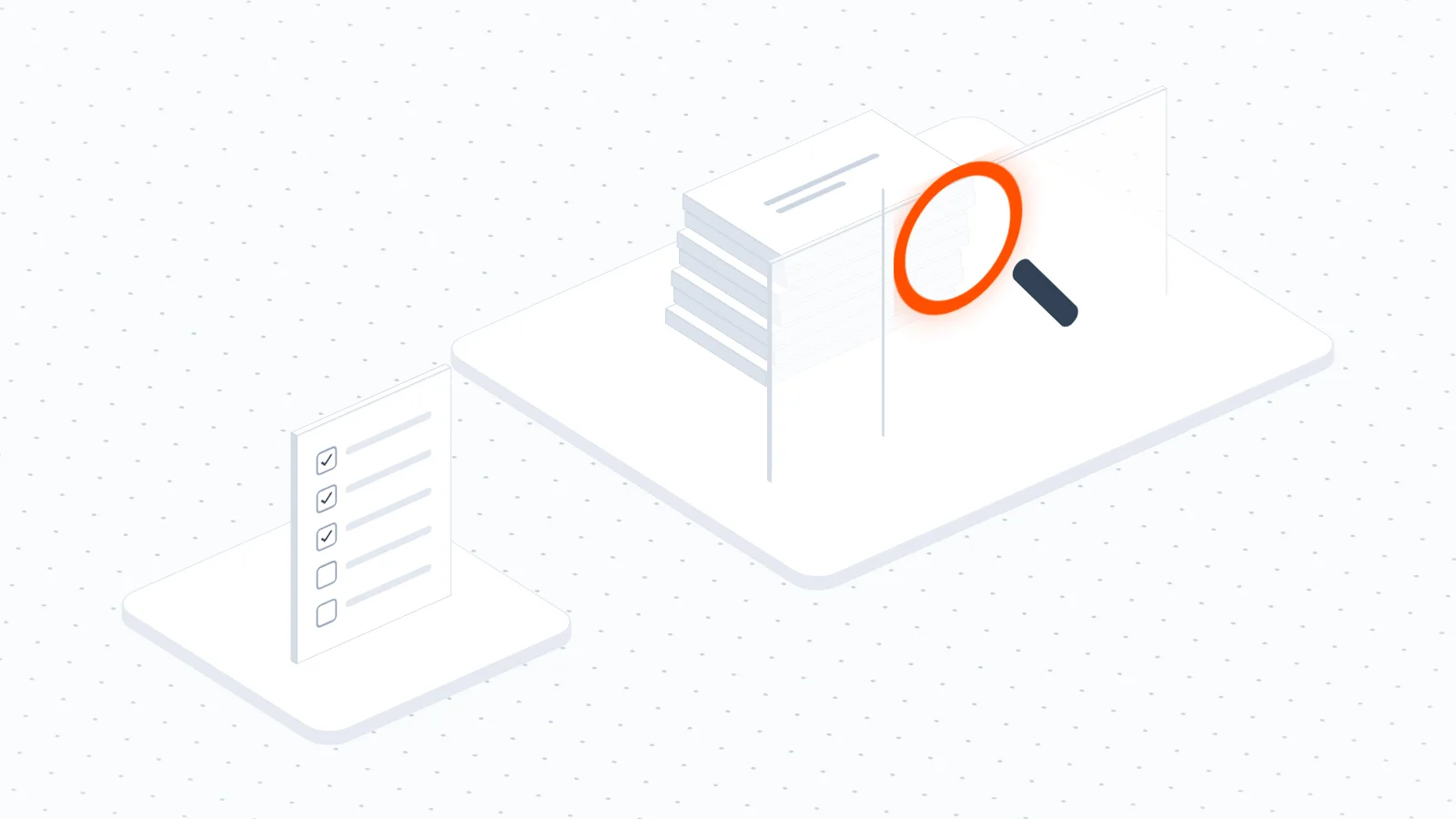
A checklist and magnifier revealing manual work hidden behind a polished panel
Key terms · 4
Digital risk protection (DRP)
Tools that watch for threats to an organization outside its own network, such as phishing sites, fake accounts and leaked data.
Takedown quota
The number of removals included in a plan each month. Threats above the quota wait or cost extra.
90th percentile
The time within which 9 out of 10 cases are resolved. It shows the slow cases an average hides.
Pilot
A short trial on your own brand, with real threats, before signing a contract.
On this page · 5 sections
  1. First: are you buying alerts or removed threats?
  2. The 9 questions
  3. How to run a fair pilot
  4. How Sentrike answers these questions
  5. Sources

Frequently asked questions

What's the difference between digital risk protection and brand protection?

The terms overlap. Digital risk protection usually covers everything outside your network, including leaked data and the dark web. Brand protection focuses on misuse of your brand: phishing sites, lookalike domains, fake accounts and counterfeits.

How many takedowns per month should be included?

Enough for your real volume, which you can estimate from a pilot or from your last three months of incidents. Single-digit monthly caps are common in entry plans and become a backlog quickly once monitoring finds more than expected.

Should I compare vendors on average or worst-case takedown time?

Ask for both the median and the 90th percentile. The average can look good while one in ten phishing sites stays up for weeks, and those slow cases do most of the damage.

How long should a pilot last?

Two weeks is usually enough to see real detections and at least a few takedowns from start to finish. Give every vendor the same brand terms and, if you can, the same known threats.

Written by

Juan Pablo Gonzalez · Founder & CEO, Sentrike

Spent seven years in cybersecurity helping build Lumu Technologies before founding Sentrike, where he builds AI agents that find and take down phishing sites and brand impersonators.

LinkedIn

Alert fatigue vs. autonomous takedowns

The Phishing Takedown Process, Step by Step

Every step of taking down a phishing site by hand, from the first lookup to the last follow-up, where the time goes, and which steps can be automated.

Nov 9, 2026 · 5 min read

Brand protection for MSSPs and MSPs

External Brand Defense: The MSSP Opportunity in 2026

Why brand protection outside the firewall is a growing gap in MSSP services: what the market data shows, why clients can't do it in-house, and where MSSPs fit.

Nov 20, 2026 · 3 min read