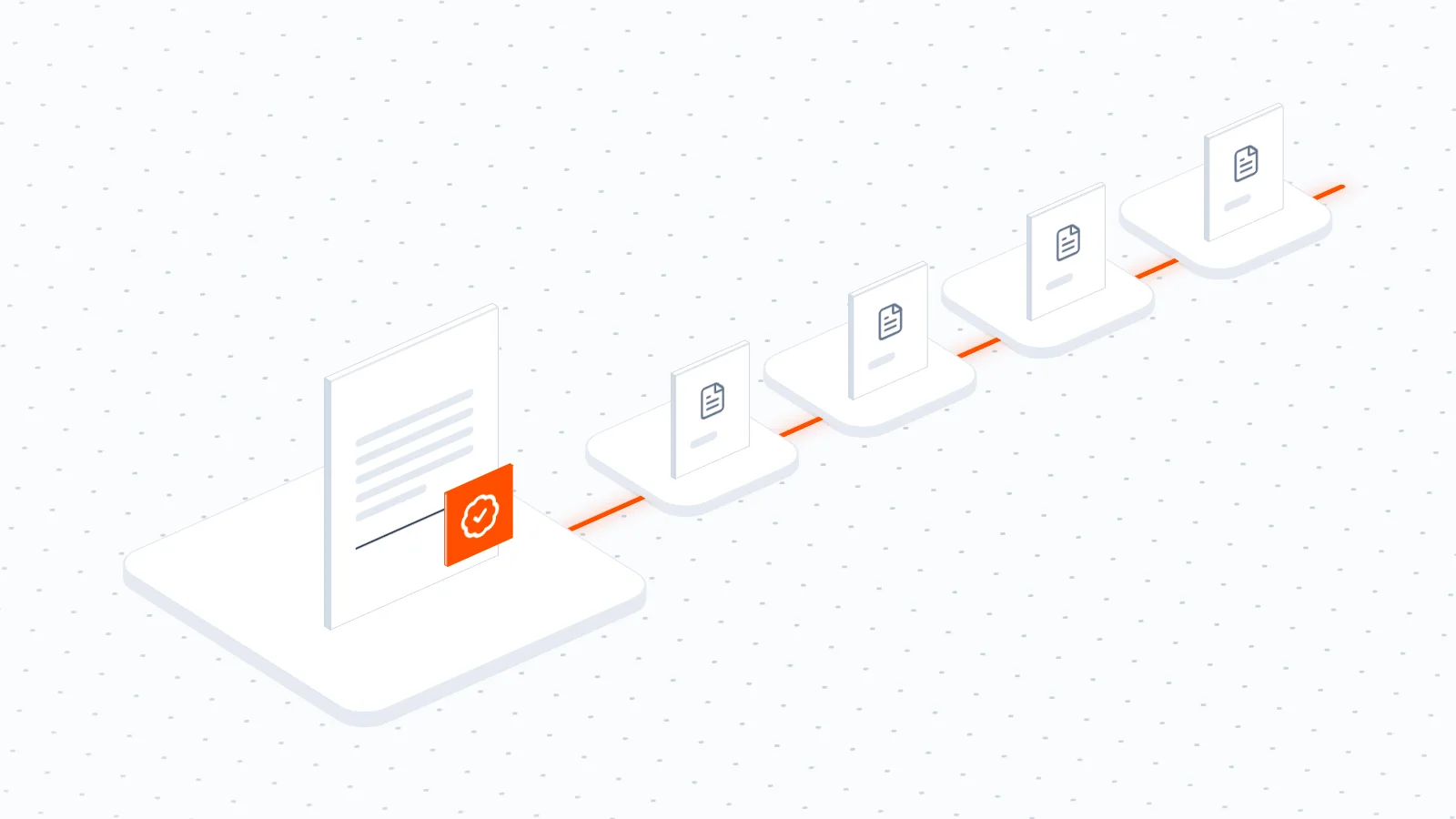
A takedown authorization, or charter, is a document the client signs once so its MSSP or agency can report phishing sites, lookalike domains and impersonation on its behalf without asking each time. It names the parties, the brands and domains covered, what may be reported automatically, what needs the client's approval, and who to contact. Sign it at onboarding, before the first live phishing site.
Key terms · 4
Takedown authorization
A signed document that lets a provider report threats and request removals on a client's behalf.
Letter of authorization (LOA)
A shorter letter confirming that an agent may act for a brand, often requested by platforms for trademark or impersonation reports.
Pre-approved action
An action the provider may take without asking the client each time, such as reporting a phishing site to its host.
Escalation threshold
The point at which a case needs the client's decision, such as a UDRP complaint or a legal letter.
Do I need authorization to report a phishing site?
Not legally. Hosts, registrars and Google Safe Browsing accept phishing reports from anyone. Authorization matters for trademark complaints, social media impersonation, DMCA notices and UDRP filings, where the platform or process asks whether you act for the rights holder.
Who should sign the authorization on the client's side?
Someone who can commit the company on its brand and trademarks, usually legal counsel, the head of security, or an executive. If trademarks are held by a separate entity, that entity should sign too.
How long should the authorization last?
Tie it to the service agreement, renew it with the contract, and update it when the client adds brands, domains or executives.
Is this a legal document?
Yes, and this article isn't legal advice. Use the template as a starting point and have both sides' counsel review it before signing.
Spent seven years in cybersecurity helping build Lumu Technologies before founding Sentrike, where he builds AI agents that find and take down phishing sites and brand impersonators.
Why brand protection outside the firewall is a growing gap in MSSP services: what the market data shows, why clients can't do it in-house, and where MSSPs fit.
How MSSPs and MSPs can turn brand protection and phishing takedowns into a managed service: what goes in each tier, how to price it, and what to report to clients.
A practical guide for MSSPs and MSPs: who needs brand protection most, the discovery questions that surface the need, and how to handle the usual objections.
Nov 20, 2026 · 4 min read
Every MSSP or agency running takedowns eventually hits the same delay: a phishing site is live on a Friday evening, the evidence is ready, and the report waits because nobody is sure whether the client has approved acting on its behalf. A takedown authorization, signed once at onboarding, removes that wait.
This article explains what the authorization should cover, what different providers ask for, and includes a template to adapt with your counsel.
Different reports ask different things of the person filing them:
Report
Who can file
What's asked about authority
Phishing site to host or registrar
Anyone
Usually nothing; evidence is what matters
Google Safe Browsing, Microsoft SmartScreen
Anyone
Nothing
Social media impersonation (as the brand)
The brand or its representative
Platforms may ask for proof of authority, such as a letter of authorization
Trademark complaint to a platform
Rights holder or authorized agent
Trademark registration and, for agents, authorization
DMCA notice
Copyright owner or authorized agent
A statement, under penalty of perjury, that the sender is authorized to act for the owner (U.S. Copyright Office)
UDRP or URS complaint
Trademark holder, usually through counsel
Filed in the trademark holder's name
So the authorization isn't what lets you report a phishing site. It's what lets you handle everything around it without stopping: the fake social account sending people to the site, the trademark complaint to the platform, and the evidence file your client's counsel will need for a UDRP.
The parties: the client (and the entity that holds its trademarks, if different) and the provider.
Scope: the brands, trademarks, domains and executives covered, with registration numbers where they exist.
Pre-approved actions: what the provider may do without asking, such as reporting phishing sites to hosts, registrars and browser blocklists, reporting impersonating accounts, and sending notices about copied content.
Actions that need approval: UDRP or URS complaints, legal letters, contacting law enforcement, anything public.
Official assets: the client's own domains and accounts, so they're never reported by mistake.
Evidence: who keeps it, for how long, and that the client can have a copy.
Contacts: who the provider calls for approvals and who can sign letters of authorization for specific platforms.
Term: start date, end date or link to the service agreement, and how to update the scope.
Some platforms ask for a short letter confirming you can act for the brand, separate from the full charter. The template includes one: the brand's name, the trademarks, your name as authorized agent, the scope, the signatory and the date, on the client's letterhead. Keep a signed PDF on file for each client, so it can be attached to a report the moment a platform asks.
The authorization belongs in the same step as listing the client's domains and executives (see how to package brand protection as an MSSP service). When it's signed before the first incident, the first live phishing site is reported in minutes. When it isn't, the first incident is when everyone finds out who can sign.
Phishing sites don't need an authorization to be reported, so Sentrike's AI agents report them to Google Safe Browsing within minutes of confirmation and send abuse reports to the host and registrar with an evidence pack (screenshots, WHOIS, DNS and SSL records, page source). For MSSP partners, each client is its own tenant in a white-label, multi-tenant portal, so the authorization and evidence for each client stay with that client. See Partners and Takedown.